Need residential bathroom remodeling in Philadelphia?
Request a callback to check provider availability, or send a request and describe your project. You compare. You decide. No obligation.
No obligation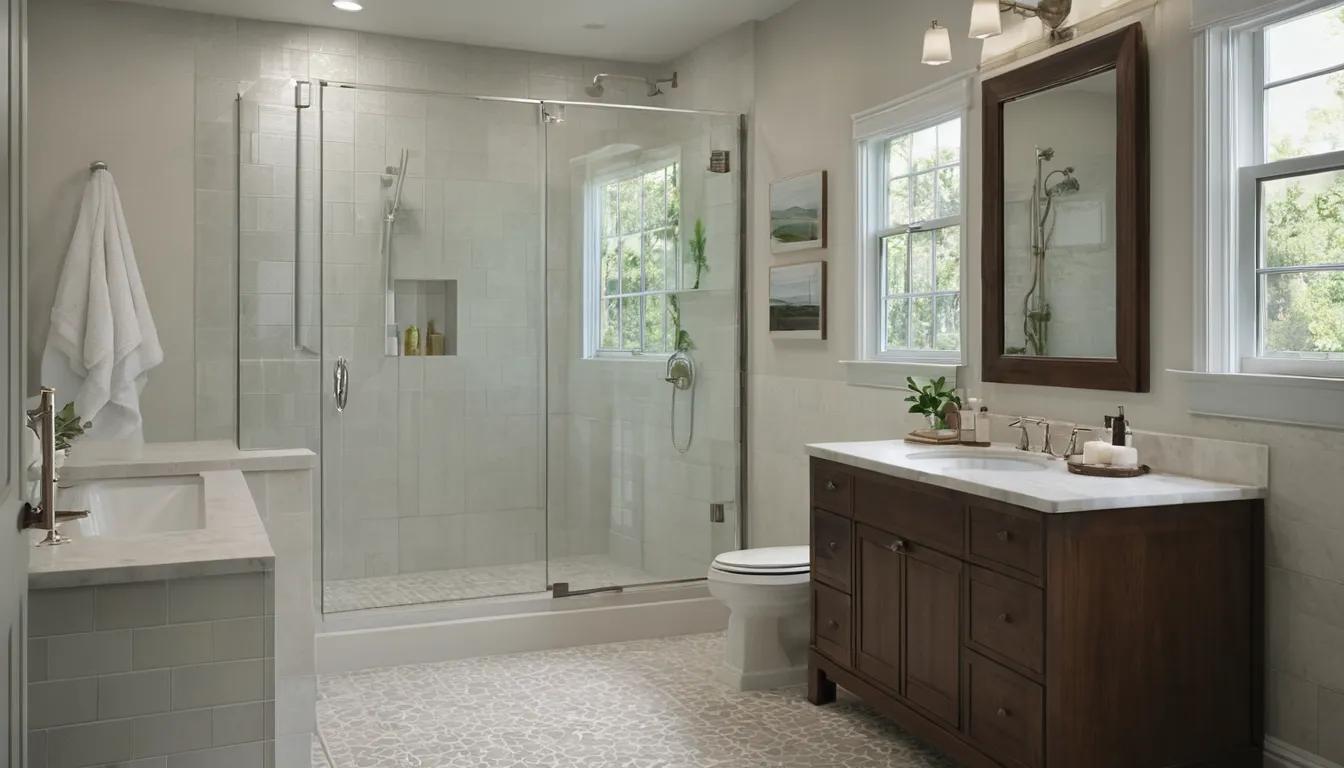
A bathroom remodel is a big job. It touches plumbing, floors, walls and your daily routine. You should not sign the first quote you see. Substancepolicy Remodeling helps you compare before you commit.
Substancepolicy Remodeling is a referral service. Providers do the work. We connect homeowners in the Philadelphia area with independent local providers who handle full bathroom remodels, tub and shower conversions, walk-in showers and walk-in tubs. You see the estimates side by side. You choose. There is no pressure and no obligation. Small patch jobs are not a fit here. Larger projects are.
If the floor feels soft near the tub or toilet, deal with it soon. Soft wood means water has been getting in. A slow leak under a shower pan does the same thing. The longer it sits, the more it rots.
Request a callback to check provider availability. Many providers can respond quickly to a leak or a spongy floor. Shut off the water to the fixture if you can. Then get the damage looked at.
Cleaning fixes dirt. It does not fix failure. Watch for these:
One sign may be a small repair. Several signs point to a remodel. A provider can tell you which one you have.
Many homeowners start here. A high tub wall is hard to step over. A slick floor is risky. So they ask about a tub-to-shower conversion, a walk-in shower or a walk-in tub.
A walk-in shower has a low or no curb. It works well if you want easy entry and simple cleaning. A walk-in tub has a door and a seat. It suits people who want to soak but cannot climb in. Ask providers to explain the tradeoffs for your space.
Not every project is the same size. Here is the usual range.
This page covers larger projects. If you only need a faucet swapped, a handyman is the better call.
Custom bathroom renovations let you choose the details. Think tile patterns, built-in niches, a bigger vanity, heated floors or a frameless glass door. Some homeowners ask about luxury bath upgrades such as a rain shower head, a freestanding tub or a double vanity.
Set your must-haves first. Then list the nice-to-haves. Providers can price both lists so you see what each upgrade adds.
The finish is what you see. The hidden layers decide how long it lasts. Good providers talk about them up front.
Once walls open, surprises can show up. Rot, old pipes or mold are common finds in older rooms. Ask each provider how they handle surprises and how they price them.
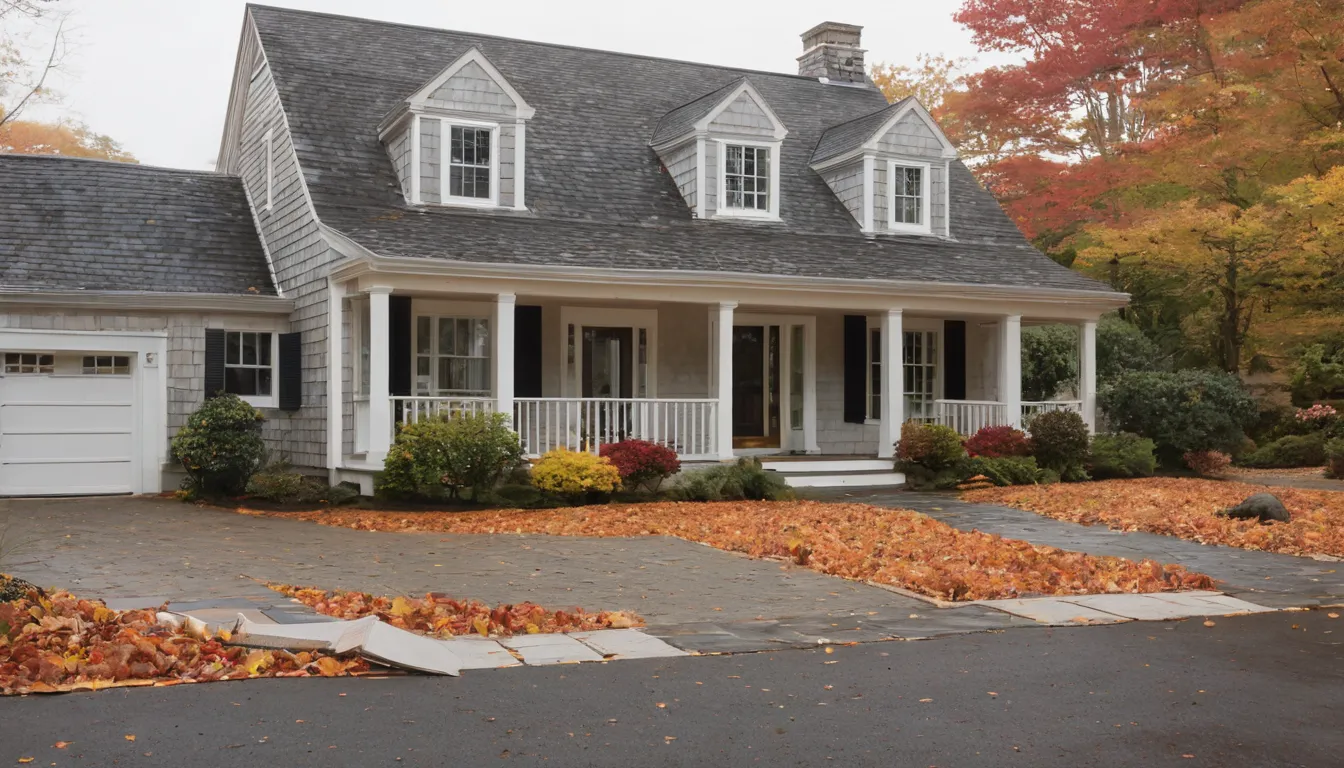
Many homes in the Philadelphia area are older. Cape Cod style houses have tight bathrooms and sloped ceilings. Multi-family buildings share walls and stacks. Full basements and stone or block foundations can mean low drain lines and damp air.
Those details affect the plan. A provider who has worked on similar homes will spot them early. Ask about it directly.
Cold snowy winters and freeze-thaw cycles are hard on houses. A bathroom on an outside wall can have cold pipes and condensation. Spring snowmelt can push moisture into basements, which matters if your bath is below grade.
Seasons also shape the schedule. Fall is busy as homeowners prepare for the holidays. Winter can be slower for some providers, and booking can be easier. Spring fills up fast. Request a callback to check provider availability for your month. Delivery times for tile and fixtures can matter more than the weather, since most of the work happens indoors.
Get more than one. Three is a good number. Then line them up.
A low number can hide a thin scope. A high number can include extras you do not need. Compare, then decide. A written quote makes this easy. A home remodel consultation is a good time to ask all of this.
Providers do the work, so check them yourself. Ask for proof of license and insurance where your state requires it. Ask for photos of recent bathrooms. Ask who will be on site each day.
Trust your read on communication. If answers are vague now, they will be vague later. Pick the one who explains things plainly and puts it in writing.
If you are also thinking about a kitchen remodeling contractor, that has its own page. Keep this project focused.
Start with how you use the room. Who showers? Who needs more storage? Do you need space for a walker someday? Sketch the layout, even roughly.
Set a budget with a cushion of 10 to 20 percent for surprises. Ask each provider for a start date and an end date. Most full remodels take a few weeks, but it depends on the size and on how fast materials arrive.
Expect noise, dust and no bathroom for a while. Plan for it. Set up a spare toilet or sink if you only have one bath. Cover floors and doors along the path. Move anything breakable out of nearby rooms.
Ask the provider about daily start times and cleanup. Check progress each day. If something looks off, say so early. Small fixes are easy before tile goes on.
Some homeowners also ask about insurance. Some policies may cover sudden damage, such as a burst pipe. Slow leaks and wear usually are not covered. Check your policy, and providers can often help document damage for a claim.
Providers strip the room, fix hidden damage, then rebuild with new plumbing, waterproofing, tile and fixtures.
Swap a high tub for a low-entry shower that is easier to step into and clean.
Accessible options with low curbs, grab bars, seats and doors, planned around how you move.
Tile, vanities, glass and lighting chosen to match your taste and budget.
These are typical U.S. ranges. Your price depends on size, materials, home age and hidden damage. Treat the numbers as a starting point, and always get a written quote before you decide.
| Project | Typical range | Notes |
|---|---|---|
| Surface refresh | $3,000 – $10,000 | Vanity, fixtures, paint; layout stays the same |
| Full bathroom remodel | $10,000 – $30,000 | Most common range for a standard bath |
| Tub-to-shower conversion | $4,000 – $12,000 | Depends on tile, glass and drain changes |
| Walk-in shower | $5,000 – $15,000 | Curbless designs cost more |
| Walk-in tub | $6,000 – $20,000 | Includes install; plumbing and electrical vary |
| Luxury bath upgrades | $25,000 – $60,000+ | High-end tile, freestanding tub, heated floors |
Share what you want: a full remodel, a shower conversion or a walk-in tub.
Local providers in our network look at your request and reach out about your project.
Line up scope, materials, timeline and price. Ask questions until it is clear.
Pick a provider or walk away. The decision, and the contract, are yours.
Providers send estimates you can line up side by side, so you see real differences before you commit.
You decide on your schedule. Requesting an estimate carries no obligation at all.
Providers in our network work near you and know older homes and cold, wet seasons.
Substancepolicy Remodeling connects you. Independent providers do the work and write the contract.
Request a callback to check provider availability, or send a request and describe your project. You compare. You decide. No obligation.
No obligationMost full remodels take a few weeks. A simple refresh can be faster. Tile delivery, hidden damage and permits can add time. Ask each provider for a start date and an end date in writing before you decide.
It depends on your needs. A walk-in shower is easier to enter and clean. A walk-in tub lets you soak while seated. Providers can explain which fits your space and budget.
Usually not for a planned remodel. Some policies may cover sudden damage, like a burst pipe. Slow leaks and wear are often excluded. Check your policy, and providers can often help document damage for a claim.
Request a callback to check provider availability, or send a request and describe your project. You compare. You decide. No obligation.
No obligation